Next up in our Herb Garden How-To series: producing natural dyes! We’ve got a whole new round of plant-derived products in each of our baskets, seasonal to autumn; but today we’ll be looking at one of the most popular of dyes: henna.
A natural stain for the skin and hair, henna was used cosmetically for thousands of years, evident in many ancient cultures (from Egypt to the Roman Empire).
But henna also provides a rich, natural dye for fibers and textiles. That deep, orangey reddish-brown color is derived from the leaves of the Lawsonia inermis (also known as the henna tree), native to areas of Asia, Australia, and Africa. Its success in arid climates makes it a perfect fit for our temperate California weather—you can find our own henna tree soaking up the sun in the northeast corner of the Herb Garden.
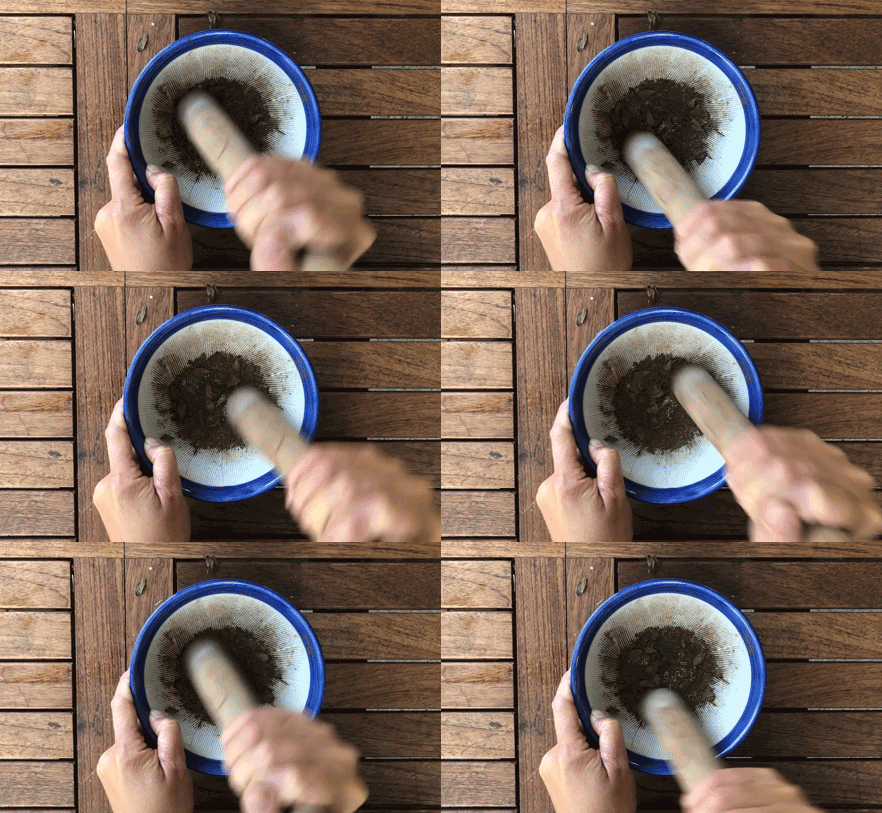
The first step to creating a natural dye from the henna tree is to harvest the leaves. The molecule lawsone is responsible for the pigment produced by the tree (hence the genus Lawsonia), and while the fresh leaves release the pigment when crushed, dried leaves produce the most saturated color. After allowing our harvested leaves to dry, we used a mortar and pestle to grind them into a fine, dark brown powder.
To activate the pigment, all you need is air and water. While you can let time do the work of saturating the water over a series of days, boiling the water and leaf particles together in the pot will extract the color more quickly. When the water looks about the color of coffee, grab a large jar, strainer, and coffee filter to remove any debris the from the mixture.
Once the dye has been completely strained, use your chosen fiber (wool is best for color adherence) and submerge within the jar. Depending on the richness of color you’d like, check the fabric after a day or two – it usually takes at least 24 hours for the dye to permeate the material.
Now, the really fun part of creating natural dyes – using it in knitting and weaving! Our Head Gardener of the Herb Garden, Kelly Fernandez, demonstrates how to spin the freshly dyed fibers into yarn, using a spinning wheel.
AND she’s already begun using the newly dyed henna yarn into her own weaving below.
Want to learn more about natural dyes and fiber arts? Go here
These agaves seem to be doing fine in this abandoned greenhouse. Photographed by Liesje in Frederiksoord, a town in the Dutch province of Drenthe. [930×697]
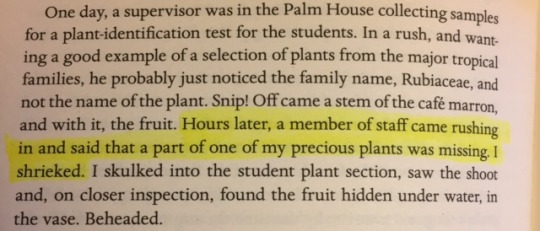
SOMEONE INFORM ME EXACTLY HOW I MISSED THAT THE BADASS KEW PLANT GOD PUBLISHED A BOOK ABOUT HIS BADASS PLANT ADVENTURES???????????????????????????????????????????????????????????????????????????????????????????????????????????????????
i ordered it bc i have no self control
update: this shipped out today but it’ll take 8-12 days to get here and im dying. carlos magdalena why must u do this to me
okay so i got this book today and spent like 6 hours reading it and im almost done but i really wanna talk about this plant nerd and his many endangered plonts that he loves and protects with all his heart and soul
carlos magdalena, kew botanical horticulturalist, is honestly an unproblematic fave
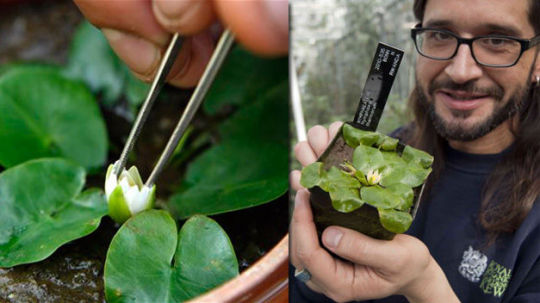
also btw heres some pics of carlos with the smallest water lily in the world, which he saved from extinction. he talks in the book about how he learned later on that at the time he finally figured out how to propagate this species in cultivation, rats had broken in and killed the only other specimens in the world at the german conservatory they were being kept at, and the habitat where the 1 or 2 wild plants had been living had been destroyed for a concrete company. he had been working with the last seeds in literal existence without knowing it (he had assumed they were still alive) and the other scientists and botanical horticulturalists in germany had been living in grief over having lost this plant to apparent extinction. he originally had 200 seeds recruited for trying to cultivate the species, and by the time he realized how to cultivate it, he had been working with the last 5 seeds in the world. he didn’t know at the time. (x)
reblogging this because I just mentioned this book again! it’s available for purchase everywhere now (as opposed to when I first made this post, when it wasn’t released in the US yet).
i’ve come across the concept of witches weeds a few times in my botanical wanderings, above are a few of my favorites. a word of warning – every plant above except for enchanter’s nightshade are poisonous plants. please do not go foraging for these plants, some of them can even create symptoms just by touching or breathing in near the plant.






 De Gene Zijde